
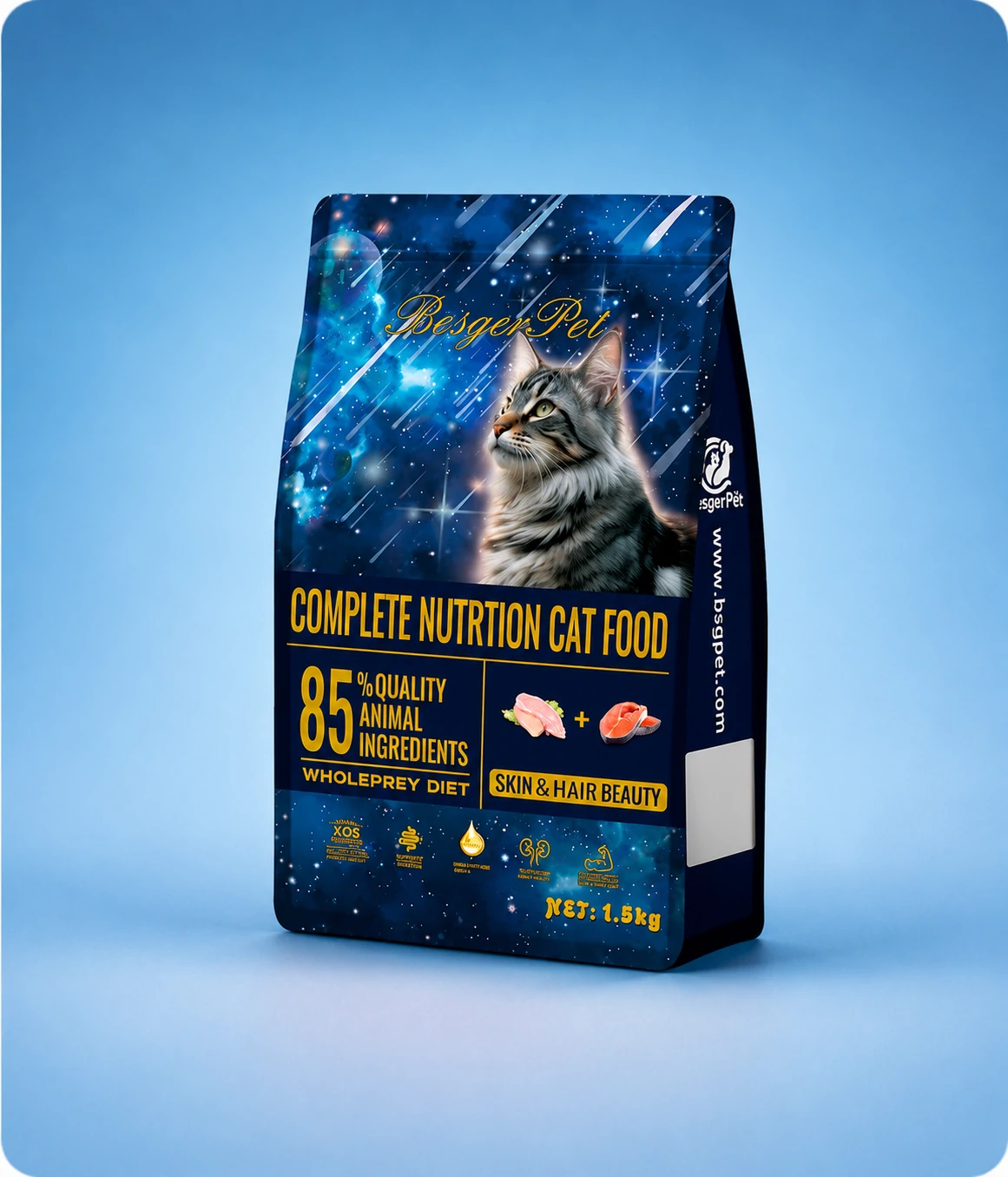
IN THIS GUIDE
Preferences · Flavor comparison · Nutrition · Small-pack trial · For brands · FAQ
Why Does Your Cat Prefer Certain Foods?
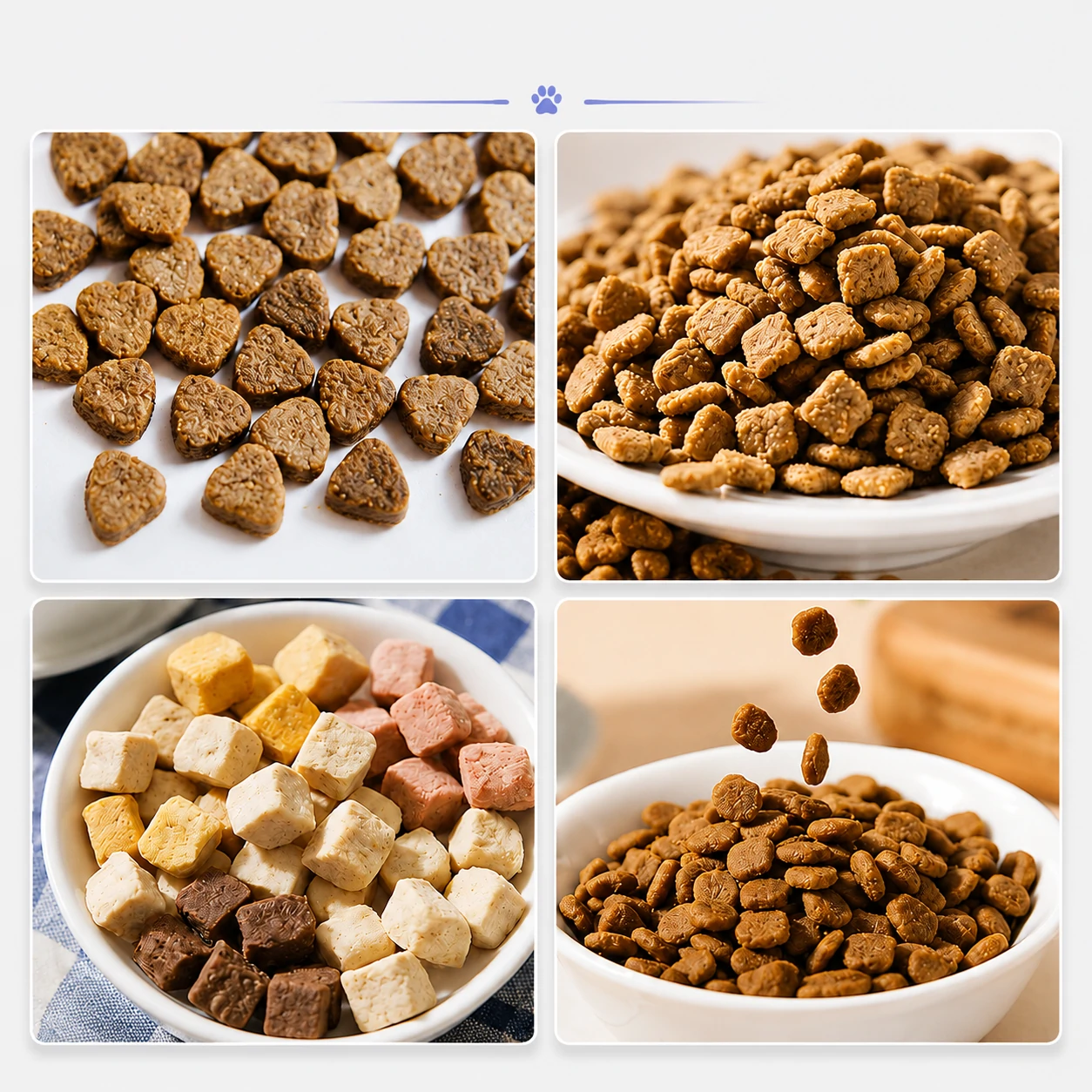
Texture and kibble shape are part of the eating experience.
Palatability describes how appealing a food is to an animal. It includes more than the flavor printed on the pack. International Cat Care’s guidance explains that taste, smell, texture, and early food experiences can influence a cat’s motivation to eat.
For a clearer comparison, change one feature at a time where possible. If flavor and texture both change, it is harder to tell which feature influenced your cat’s response.
Taste
The overall recipe affects how the food tastes.
Smell
Aroma can influence whether a cat is interested in the food.
Texture
Smooth pâté, chunks, shreds, and kibble offer different eating experiences.
Feeding history
A cat used to one food may hesitate to try an unfamiliar recipe or format.
Compare Cat Food Flavors Beyond the Label
Flavor, format, and texture are useful clues when comparing suitable recipes.
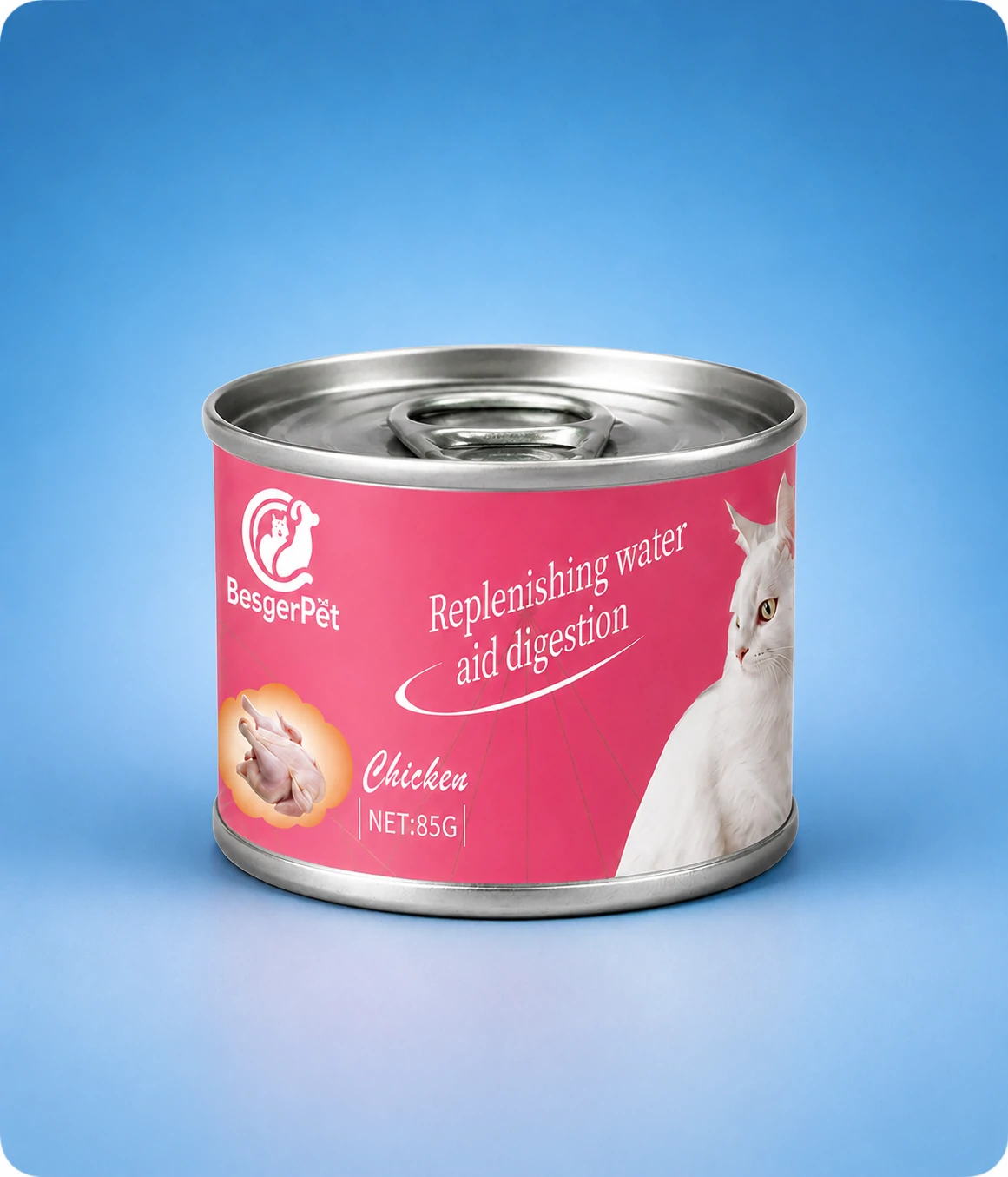
Flavor and aroma
Use a familiar flavor as a starting point, then read the full recipe.
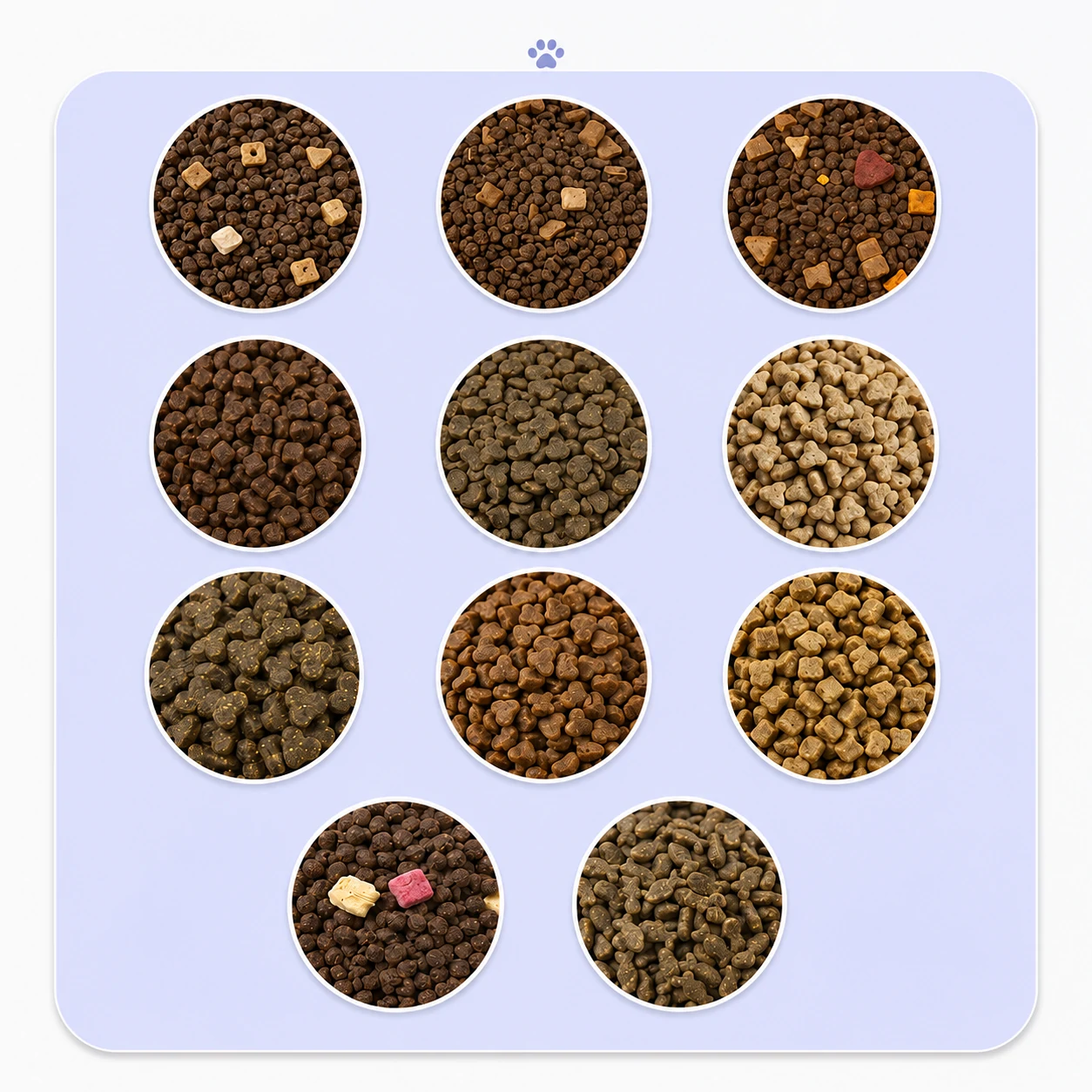
Recipe and format
Check the feeding purpose and ingredients of each dry or wet food.
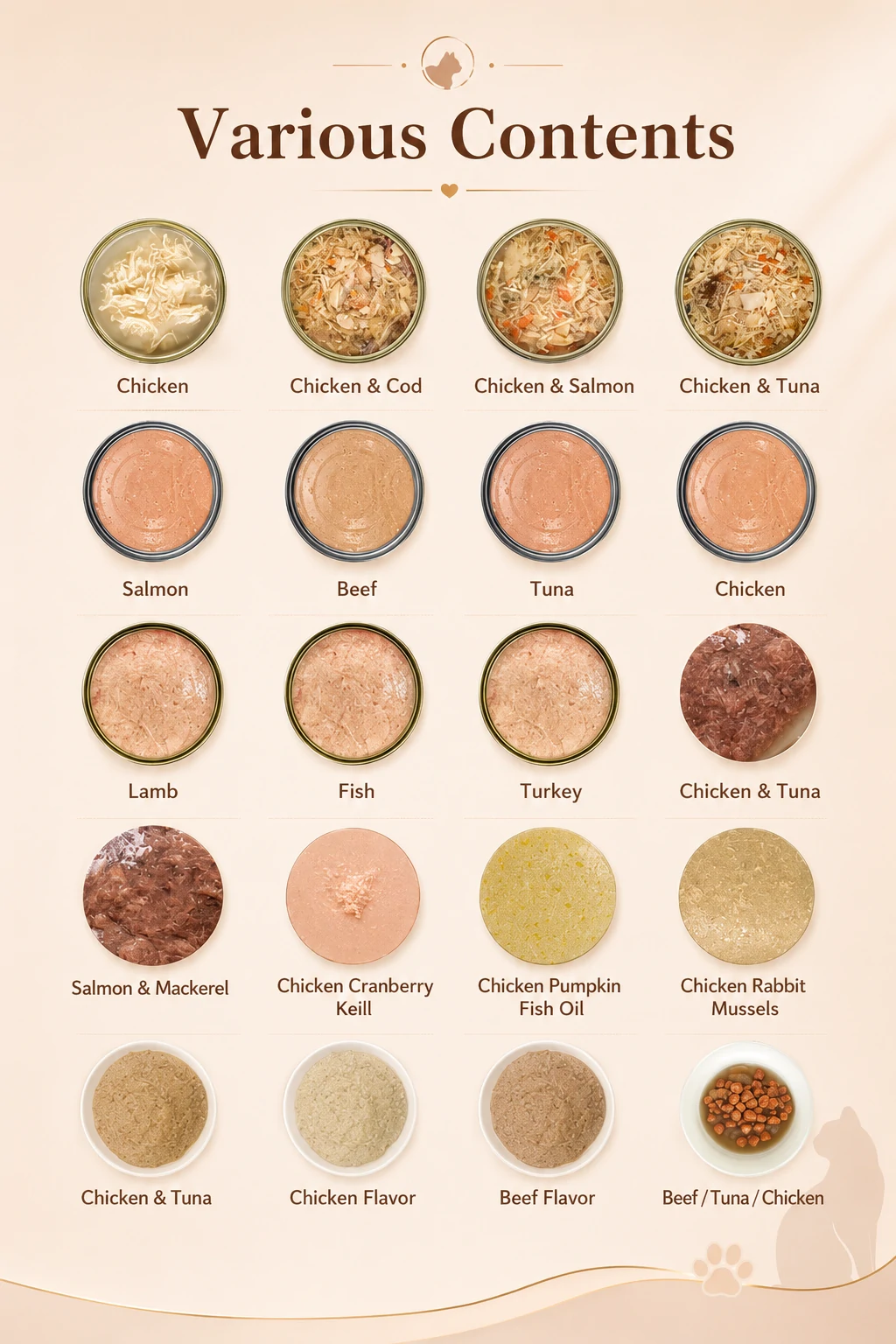
Texture and variety
Compare smooth and chunky recipes with the texture of your cat’s usual food.
Select a photo to view the complete image.
Compare Chicken, Fish, and Turkey Cat Food Flavors
Chicken, fish, and turkey are recipe options to compare. However, a flavor name is only a starting point. Products labeled with the same flavor can still contain different ingredients.
Read the full label and compare suitable recipes in a familiar texture. Use the checklist below to decide what to observe during a small-pack trial.
| Flavor example | Label checks | What to observe |
|---|---|---|
| Chicken | Other protein sources, feeding purpose, and the food’s texture. | Does your cat start eating and consume about as much as it usually does? |
| Fish (salmon or tuna) | The fish species listed on the label, other ingredients, and feeding directions. | Will your cat eat it consistently, rather than only sniff it? |
| Turkey | The full ingredient list, life stage, and other protein sources. | Does your cat accept it when the texture stays familiar? |
| Mixed recipes | All listed protein sources, feeding purpose, and the full product name. | Record the exact product name so you can buy the same recipe again. |
Check Nutrition Before Choosing Cat Food Flavors
Cornell’s feeding guide puts nutritional suitability before preference. Start with a complete and balanced food for the appropriate life stage. Then consider which suitable recipes your cat will reliably eat.
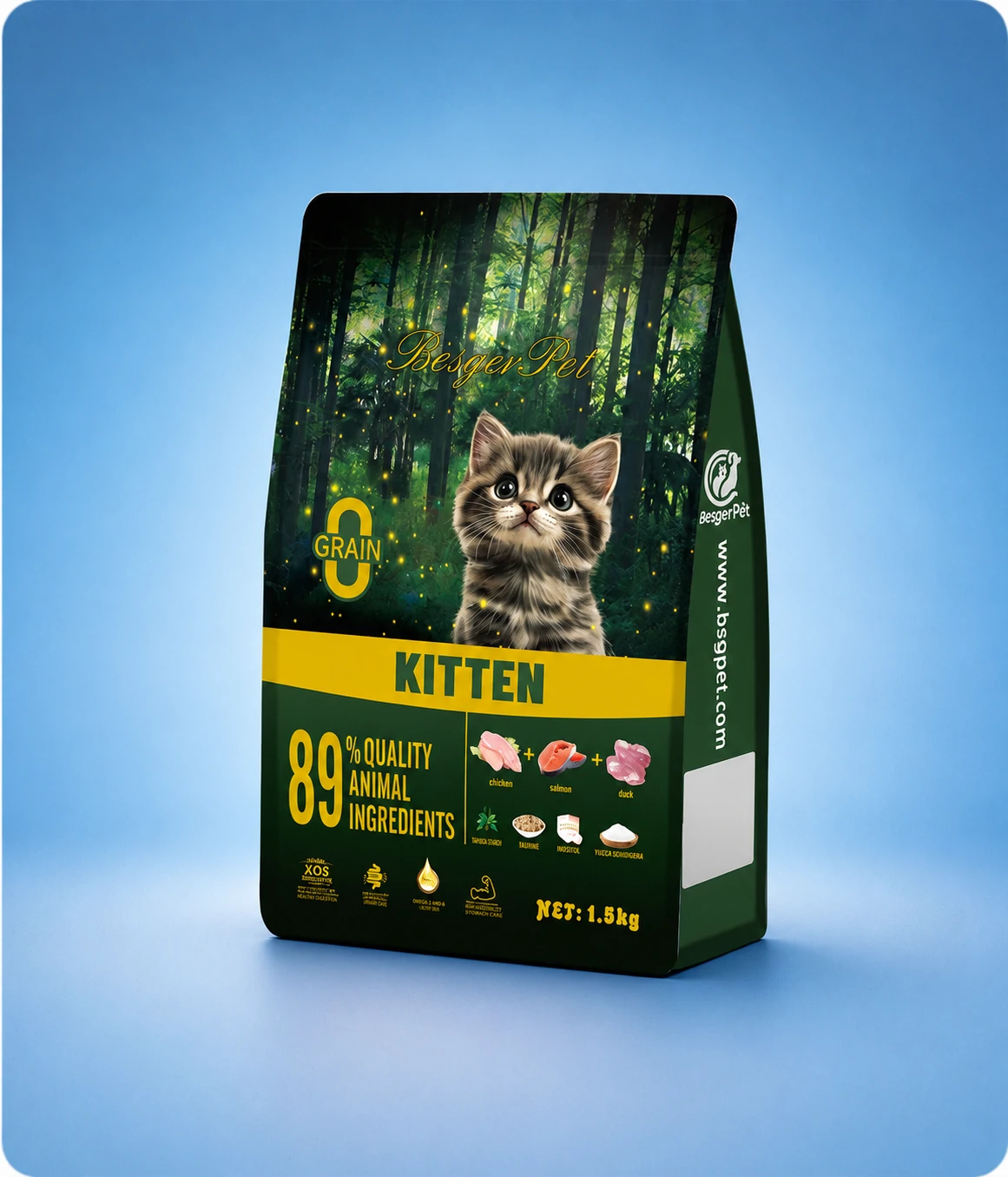
Confirm the intended life stage on the full product label.
Life stage
Check whether the food is intended for your cat’s age and reproductive status.
Feeding purpose
Distinguish a complete daily food from a treat, topper, or supplementary product.
Full formula
Review ingredients, calorie information, and feeding directions together.
For U.S. products, FDA guidance and AAFCO’s label checklist explain nutritional adequacy information. Check the requirements for the market where the food is sold. If your cat is on a prescribed diet, consult your veterinarian before changing recipes.
Use a Small-Pack Trial to Choose Cat Food Flavors
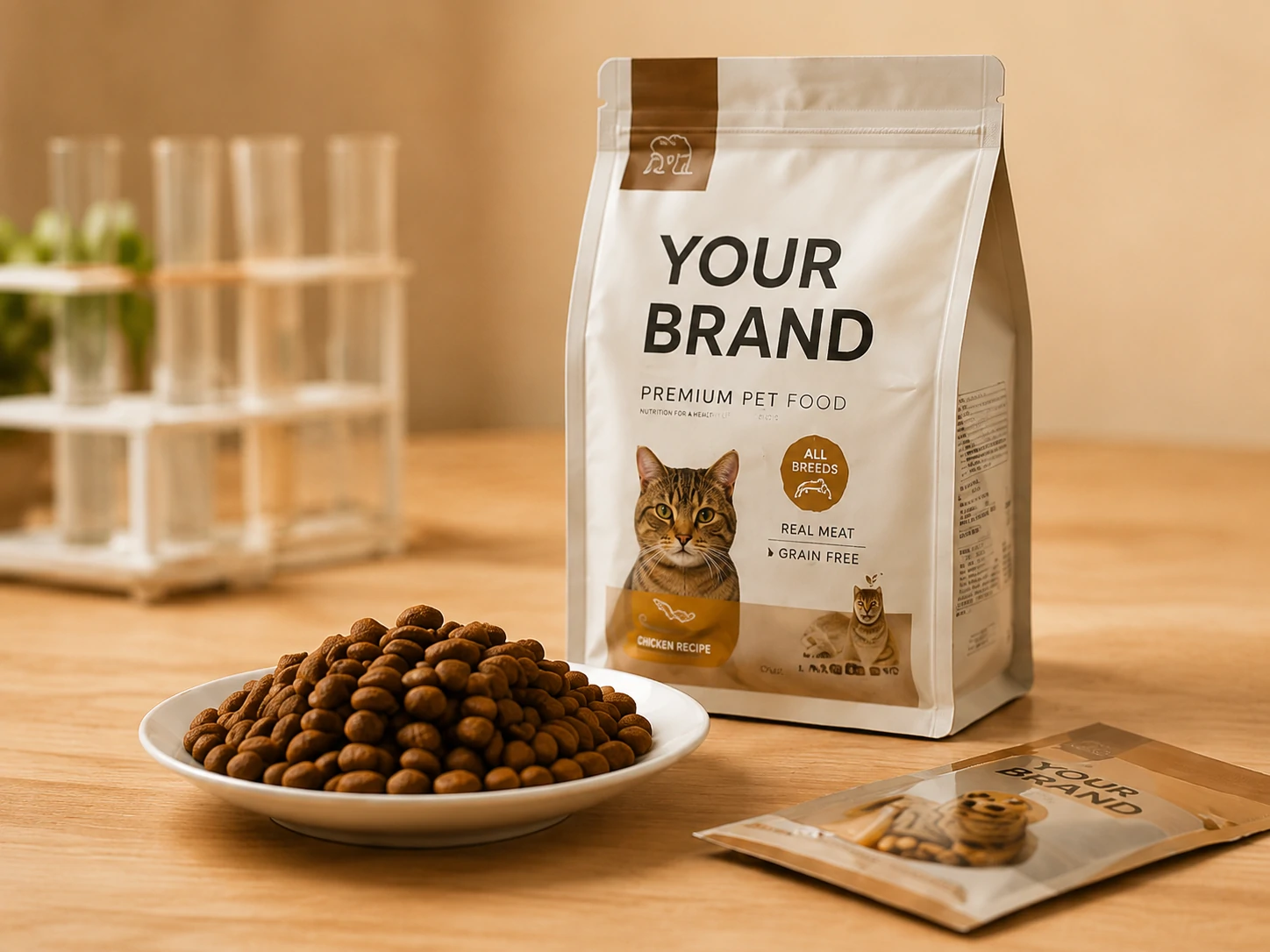
A small sample makes it easier to record acceptance and intake.
Buy the smallest practical pack of one nutritionally suitable recipe. Use the texture of your cat’s usual food as a reference and introduce the new food gradually.
International Cat Care recommends a gradual transition at the cat’s pace. Start with the familiar food and a small amount of the new recipe in separate bowls. Adjust the transition as acceptance improves. Follow the product’s feeding directions or your veterinarian’s plan for total daily intake.
Keep a steady routine
Keep meal times, the bowl, the feeding location, and the food’s freshness as consistent as possible.
Measure the portion
Measure the food offered and the amount left after the same period at each meal.
Review several meals
Observe several regular meals before judging your cat’s response to the new food.
| Record | What to write down | Why it matters |
|---|---|---|
| Recipe and date | Full product name, flavor, texture, and trial date. | Helps you identify the recipe and track the transition. |
| Acceptance | Started eating, tasted the food only, or refused it. | Helps you compare the initial response with later meals. |
| Actual intake | Grams offered and left after the same period at each meal. | Helps you estimate intake when comparing the same recipe or food format. |
| Adaptation | Appetite, stool changes, or vomiting during the transition. | Helps you decide whether to seek veterinary advice before continuing. |
Keep your cat eating. Do not withhold familiar food to force a change. Seek veterinary advice promptly for a sudden loss of appetite, food refusal, weight loss, or signs of illness.
Build a Reliable Flavor Shortlist
Keep a list of the full product names of suitable recipes your cat reliably eats. When adding another option, repeat the nutrition and texture checks and introduce it gradually. A clear shortlist makes future purchases easier.
How Brands Can Test Cat Food Flavor Combinations
Trying a small pack with one cat can provide useful feedback. A brand developing an OEM/ODM cat food range needs a planned palatability study. Use this framework to prepare a brief for your manufacturer or testing partner.
Published cat preference research has used controlled two-bowl tests with alternating bowl positions. Ask your testing partner to select an appropriate test panel and analysis method. Assess nutritional adequacy separately; a sample’s popularity alone does not establish nutritional completeness.

Assess nutritional suitability separately from flavor preference.
Define the brief
Define the target market, life stage, feeding purpose, format, and brand positioning.
Prepare comparable samples
Keep texture and serving conditions consistent when flavor is the feature being tested.
Measure the response
Record intake and, where appropriate, relative preference in a two-bowl comparison. Ask the testing partner to account for bowl position and differences between cats.
Build the range
Use the results, nutritional formulation, ingredient supply, and production feasibility to shortlist recipes for further validation.
Explore BSG’s cat food products, then contact our OEM/ODM team to discuss flavor, texture, life stage, packaging, and sample evaluation.
Sources and further reading
- Cornell Feline Health Center: feeding your cat
- International Cat Care: food preferences and appetite
- International Cat Care: changing your cat’s diet
- AAFCO: reading pet food labels
- FDA: complete and balanced pet food
- Research: food preferences in cats
These tables are practical comparison and observation tools. They do not report experimental preference scores.
Cat Food Flavors FAQ
Is it normal for a cat to dislike fish-flavored food?
Yes. Cats have individual preferences for aroma, texture, and familiar recipes. If your cat reliably eats another nutritionally suitable food, there is no need to choose a fish-flavored recipe. Seek veterinary advice if your cat’s appetite changes suddenly.
Why does my cat accept wet food but reject dry food with the same flavor label?
The same flavor name can describe different textures, aromas, and recipes. Dry and wet foods also differ in moisture and palatability. Compare the whole product and use a format your cat reliably accepts.
How long should I try a new cat food flavor?
Let your cat’s acceptance guide a gradual transition. Some cats need more time than others. Keep the familiar food available and review actual intake across several meals. Follow your veterinarian’s plan for a prescribed diet.